

every hand-washing, every moment of daily life leaves something microscopic on the metal.
The ring, a watch picks up the years. Every surface contact, every pocket,
Two cloths. No liquid. Removes tarnish, oxidation, and fine surface scratches from silver, gold, steel and brass.

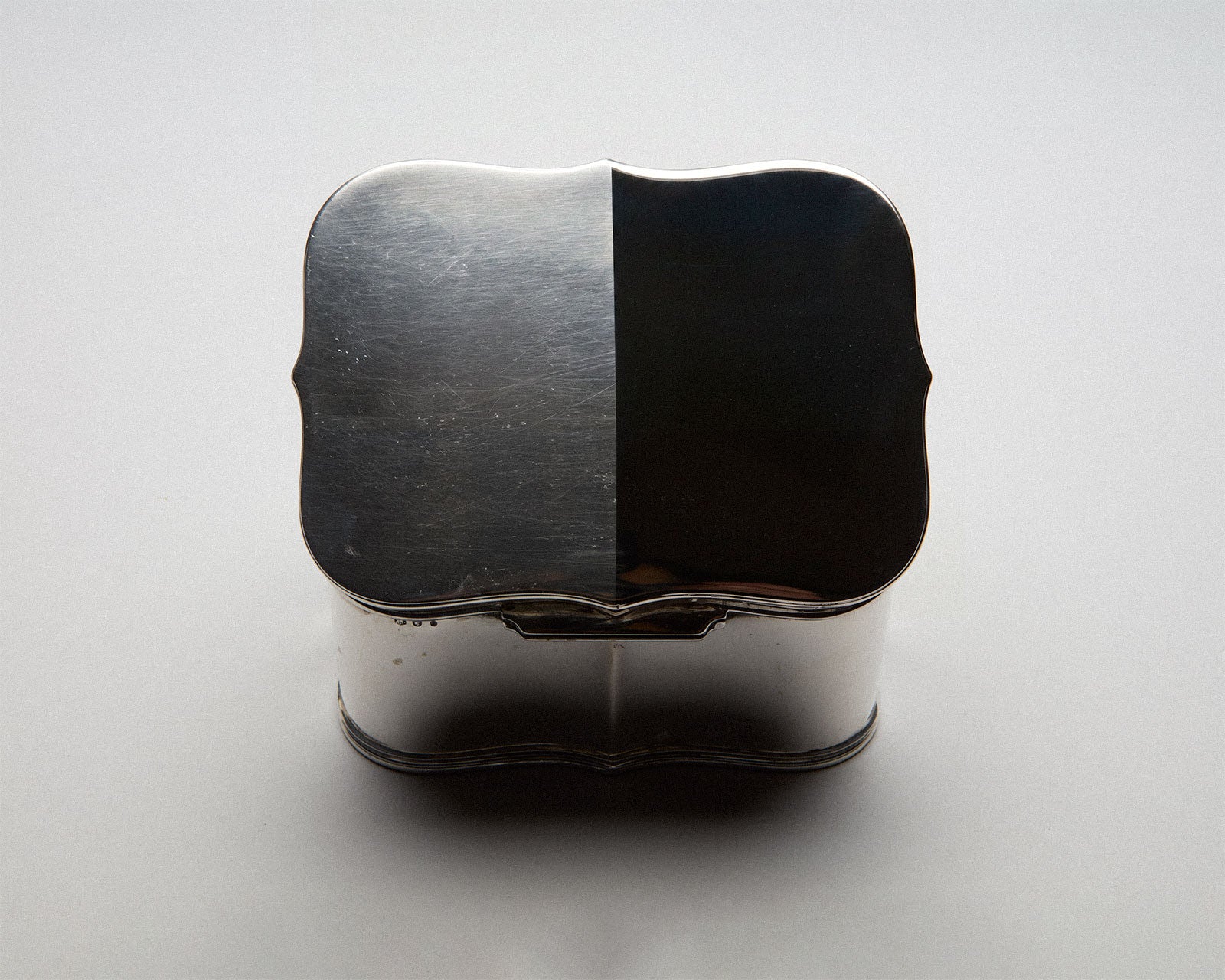
Fine scratches come with wearing something every day. That's not a problem. The problem was that the available products were toxic and very ineffective.
Solving the problem.
There's probably something you've stopped wearing. Not because you don't want to wear it. Because every time you put it on, you notice the way it looks now versus the way it used to look. We didn’t accept it.
We understand that feeling, because we had it. And instead of accepting it, we spent five years formulating the product that fixes it properly. That’s the honest version of the story.
Buhron removes fine surface scratches and restores the mirror finish. At home, by hand, in the time it takes to make a coffee.


Our community asks:
On polished metals such as silver, gold, stainless steel, brass, copper, platinum, bronze, thick chrome, nickel, and more. The one rule: it's for polished, mirror-finish surfaces only. Not for brushed or satin finishes, Polishing those would remove the texture.
Most jewellery polishing cloths were built for one thing: tarnish removal. They work as a basic silver tarnish remover and do that reasonably well. What they don't do, and what Buhron does, is remove fine surface scratches from silver and gold and restore the mirror finish. That's the gap the category has never properly closed. The formulation took five years to develop because doing both at once, safely, without harsh chemistry, is genuinely difficult.
Caution! You can, but with very light pressure and inspect often. This product is designed for solid metals, and needs to be used with care on plated items as thin plating might wear. Inspect often. Plated silver often is thicker than gold plating. We don't recommend using it on plated gold (vermeil) as this is usually extremely thin.
The jewellery polishing cloth is treated with a proprietary polishing compound developed over five years. It's non-toxic, safe for skin, safe for your metals, and works in two stages.
The first cloth does the active work, it removes fine scratches and tarnish on contact. The cloth darkens as it works, that's normal. The second cloth is a microfibre finishing cloth. It buffs the remaining polish film to a high-gloss mirror finish. That step is what restores the surface completely. For a full technical breakdown of what happens to metal at the nanoscale during this process, including independent analysis by Fraunhofer IST, read the research.
To clean sterling silver at home, work the Buhron polishing cloth across the piece in gentle circular motions. The impregnated compound lifts tarnish and oxidation on contact, you'll see it transfer to the cloth immediately.
Follow with the buffing cloth to work the remaining film into a high-shine finish. No paste, no bowl, no rinse. It's also the most effective way to polish silver at home when surface scratches are the issue, not just tarnish.
A note on plated pieces: the Buhron cloth is designed for solid sterling silver. If your piece is silver-plated, use light pressure and test a hidden area first.
For surface scratches and tarnish on pieces you wear regularly, yes. A jeweller's polishing wheel produces excellent results, but it removes a significant layer of metal every time. For a ring you wear every day and bring in regularly, that adds up over years.
The Buhron jewellery polishing cloth removes far less material, does not generate heat, and offers very delicate control if sharp edges are important and deformation is a concern. For everyday pieces, Buhron would be the best jewellery cleaner approach.
That's the polishing working. The cloth absorbs what it removes from the surface, tarnish and oxidation. It's a sign its effective.
That's the polishing working. The cloth absorbs everything it removes from the surface, including tarnish and oxidation. This happens on all metals: silver, gold, brass, copper and stainless steel. The darker the cloth gets, the more it has removed. It's a sign it's working.
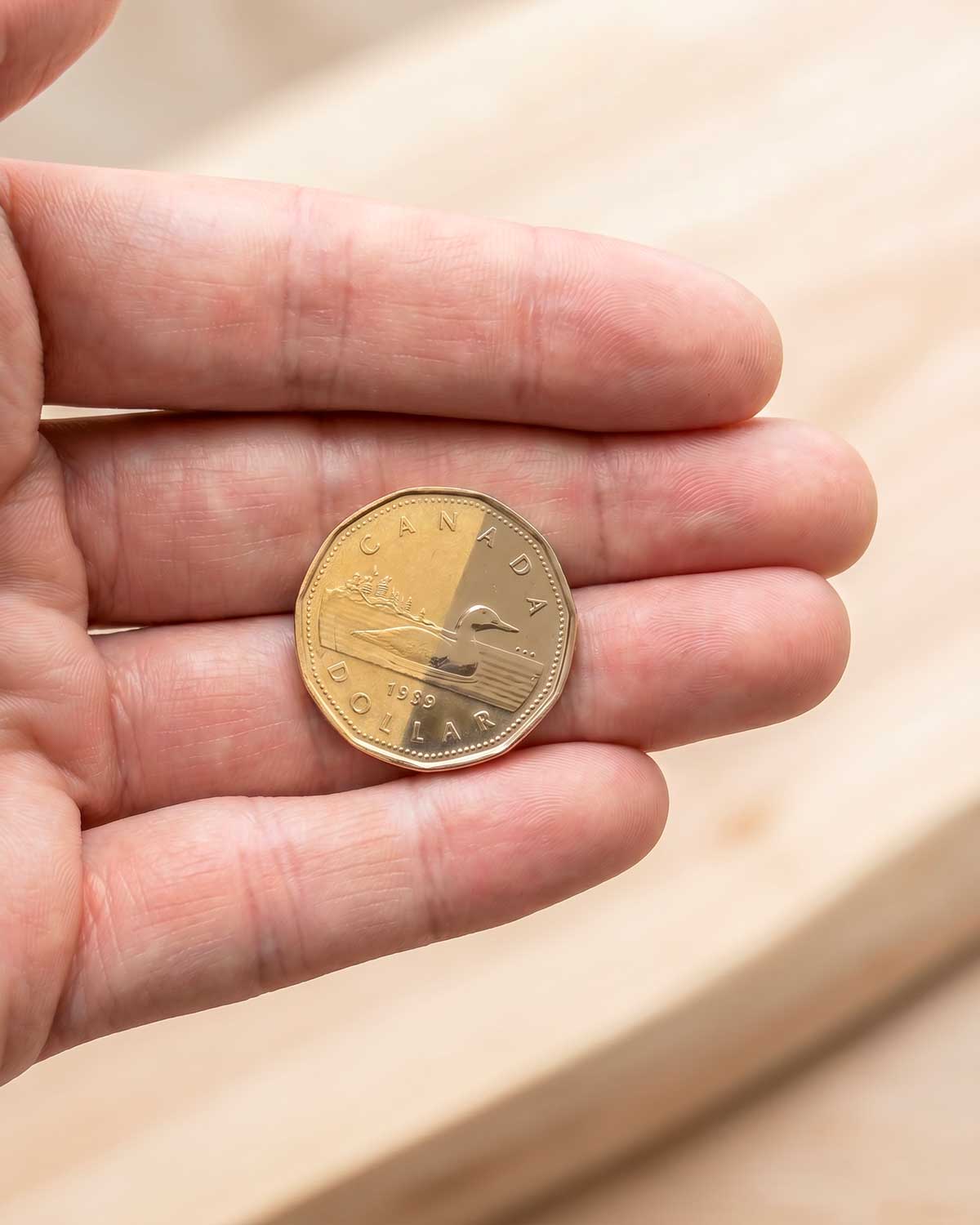
Does Polishing a Coin Destroy Its Value? Yes, polishing a coin can destroy its value. That is the honest answer. But not every coin is a collector coin. A rare proof coin, a key-date silver dollar...
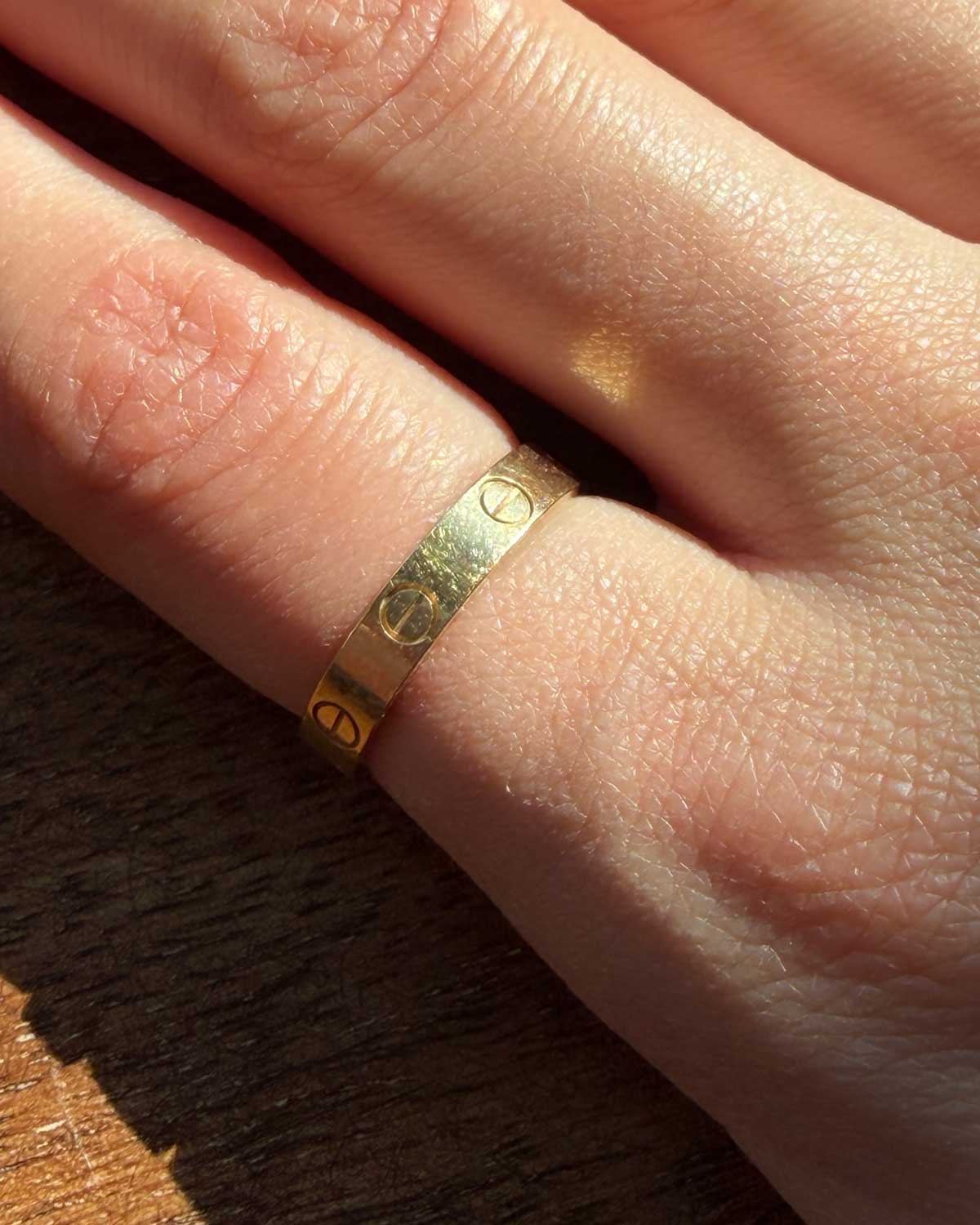
Wear a gold ring every day for a year and the surface turns into a dull web of fine lines. The gold is still there. What's changed is the surface, and that's something you can fix at home. Is It ...
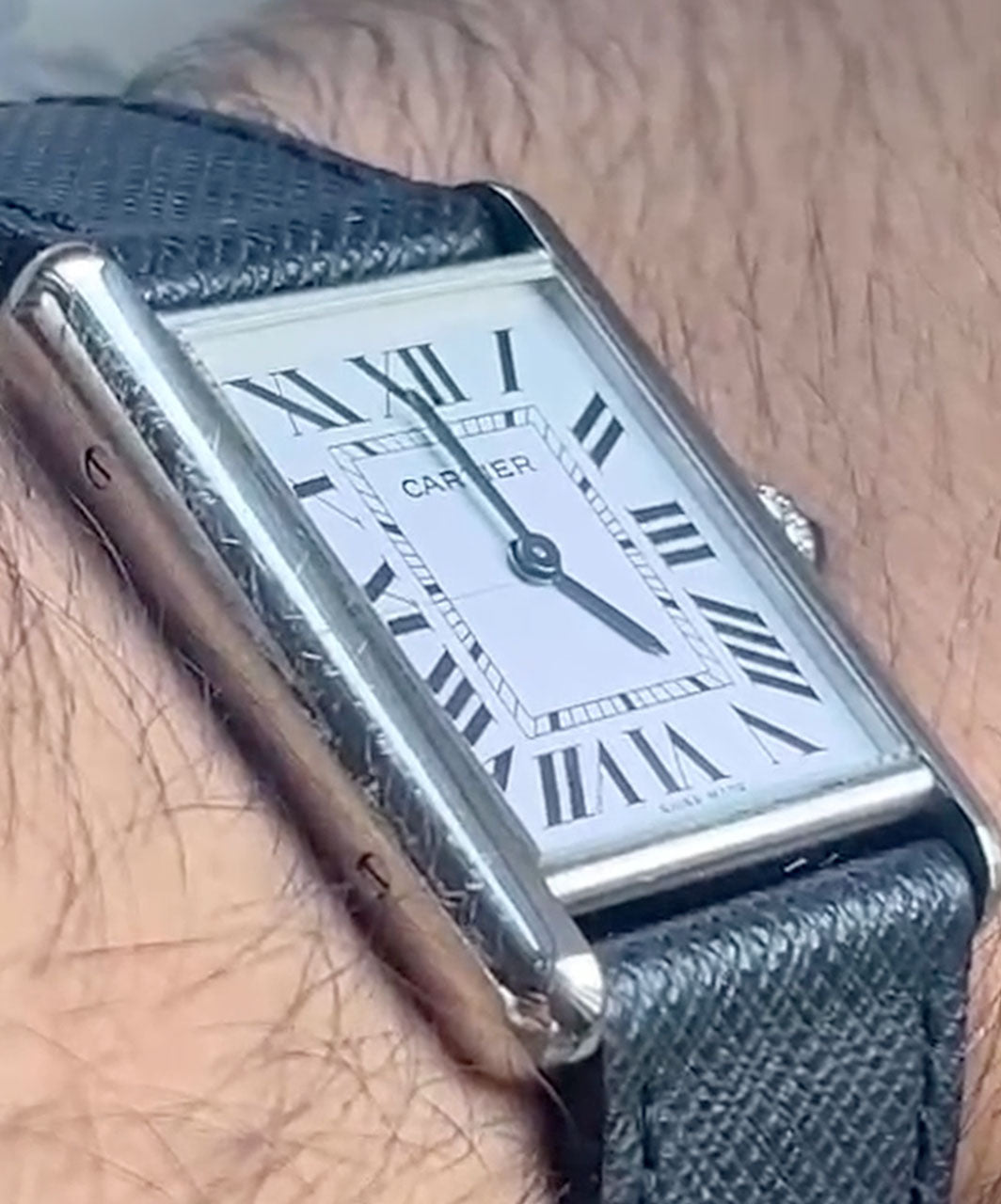
How to polish a stainless steel watch, by hand Watch polishing is a sensitive subject in the community. If you want to know how to polish a stainless steel watch at home without damaging it, the an...
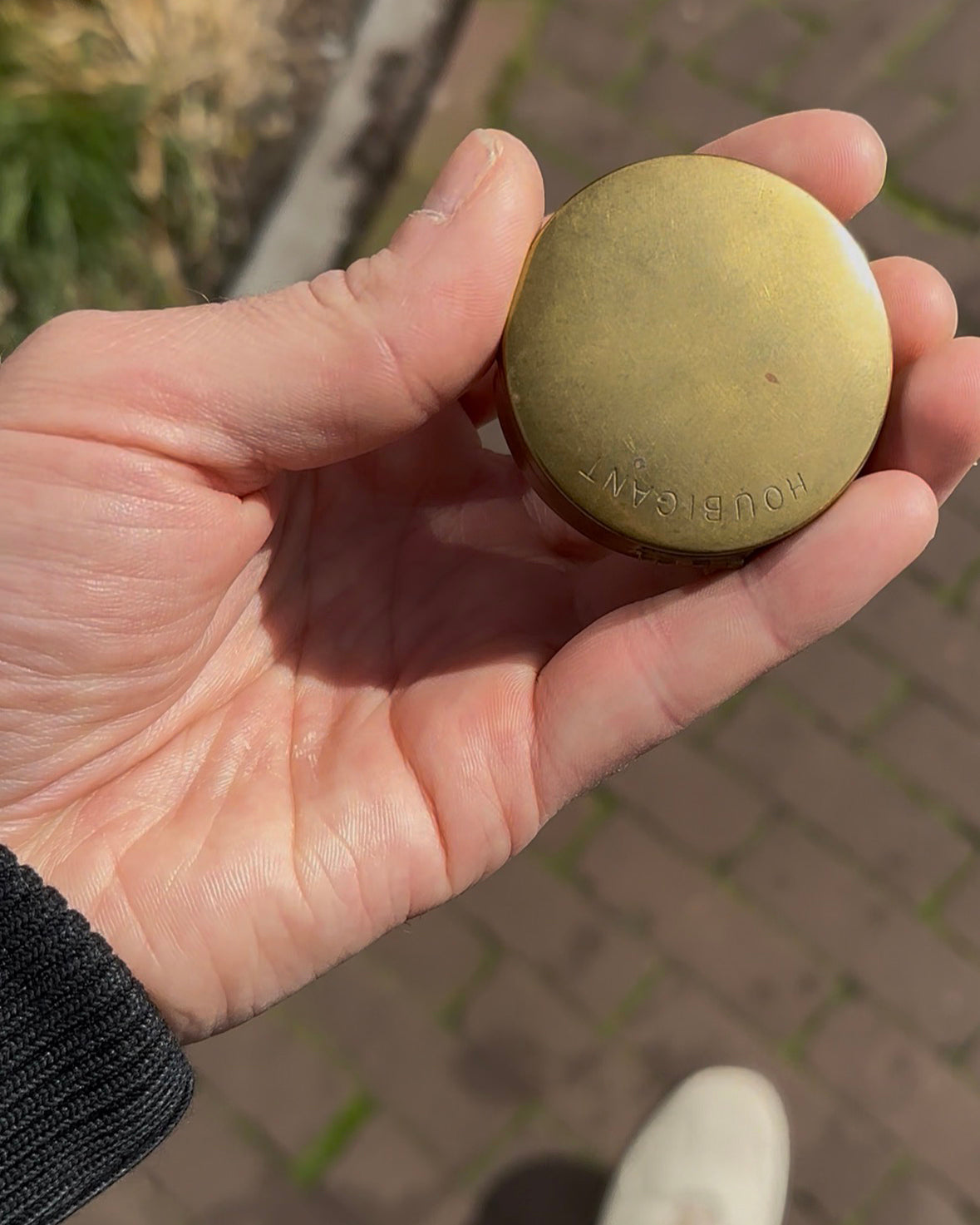
Story Here's what happened when I tried to make It look new. A small brass powder compact, no idea how old. The kind of thing that's clearly been beautiful and currently looks like it hasn't been ...
If you have a ring, a watch, some silverware that's picked up fine scratches over the years, this is what fixes it.
Take the polishing cloth and work it across the scratched or dull area in circular motions thoroughly. Then take the microfibre finishing cloth and buff the remaining polishing film to a shine. Hold it to the light. Fine scratches are gone.
Which Kit Is Right for You?
For small jobs or everything you own.
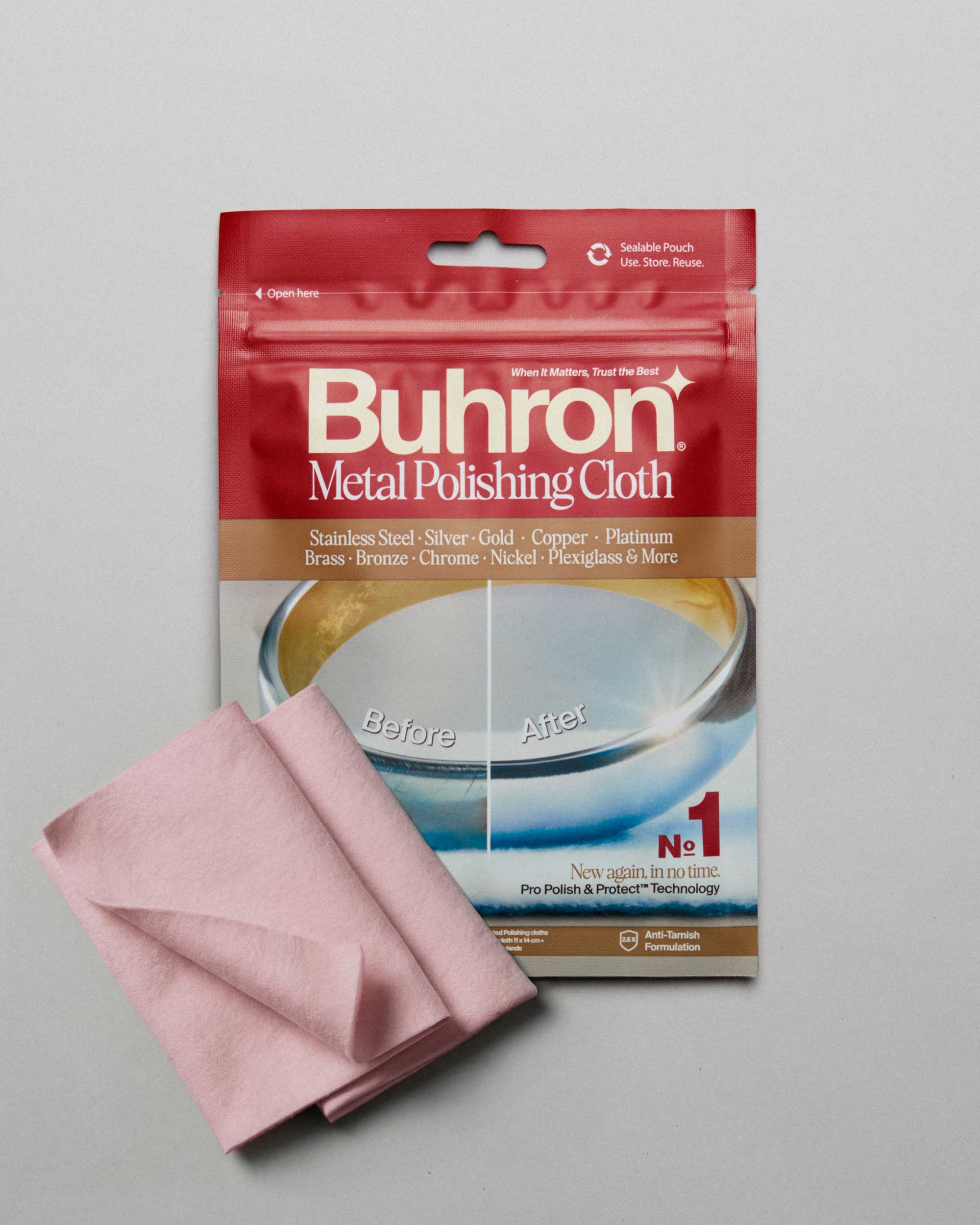
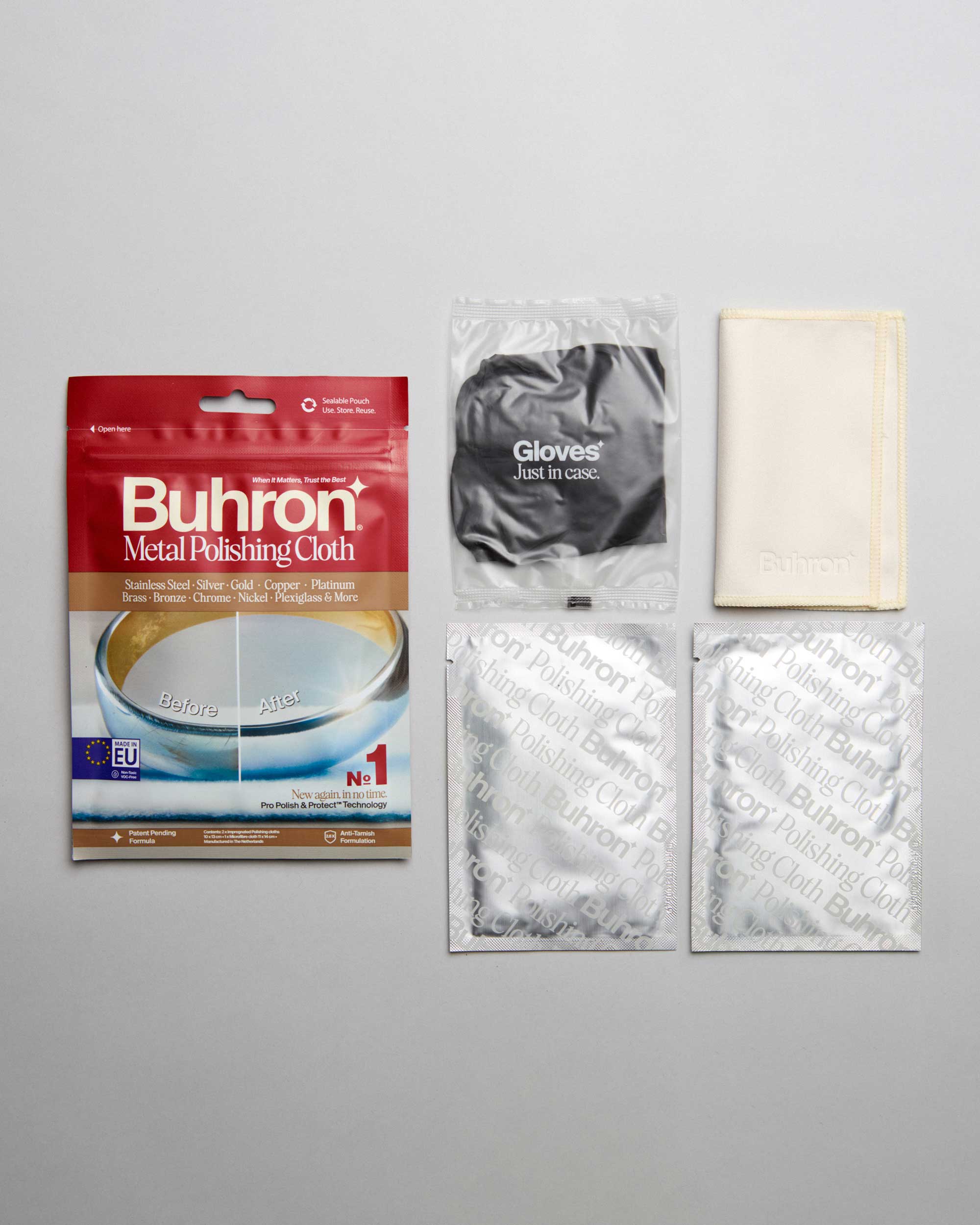
2x Polishing Cloths 1x Microfibre Cloth
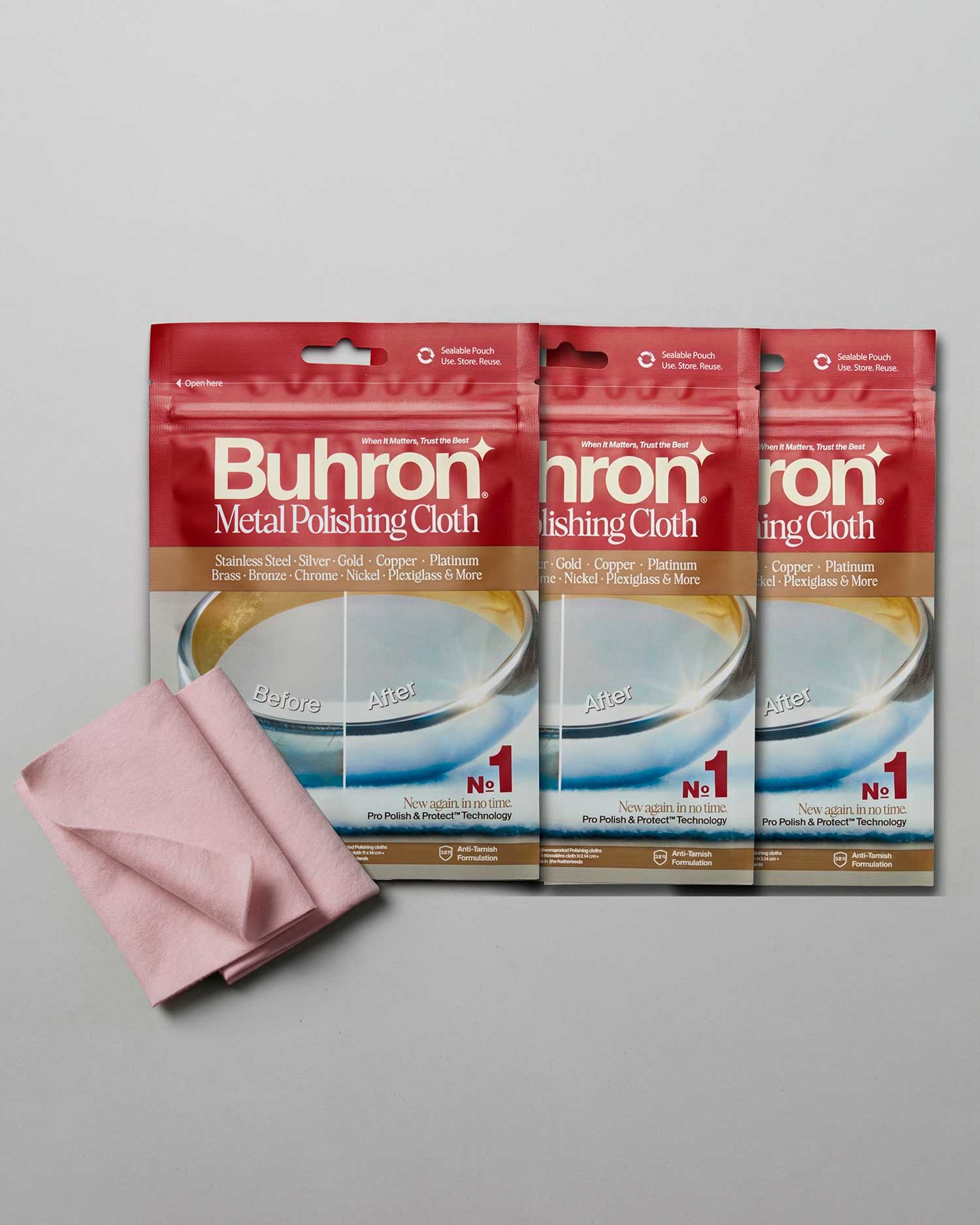
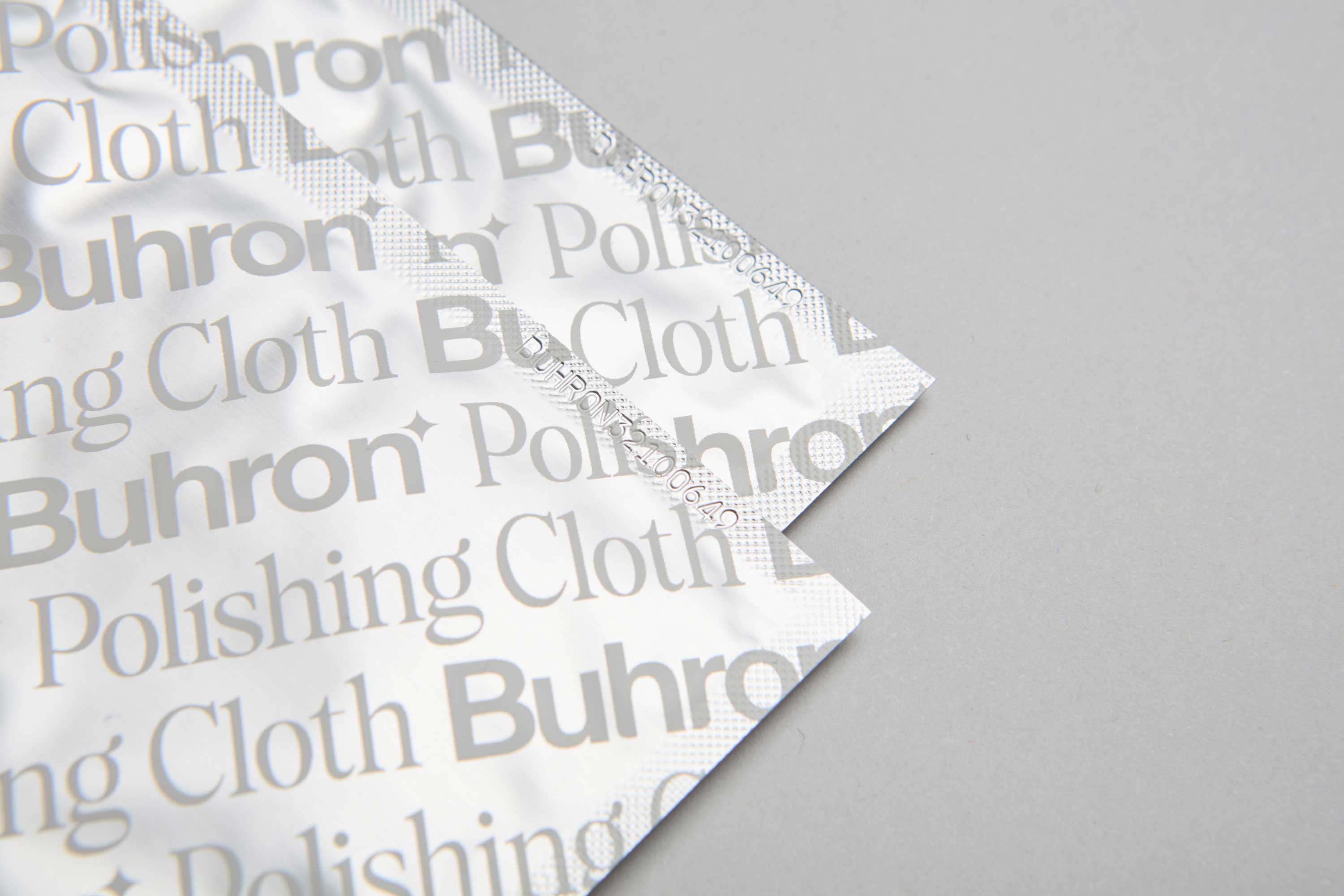
6x Polishing Cloths 3x Microfibre Cloth
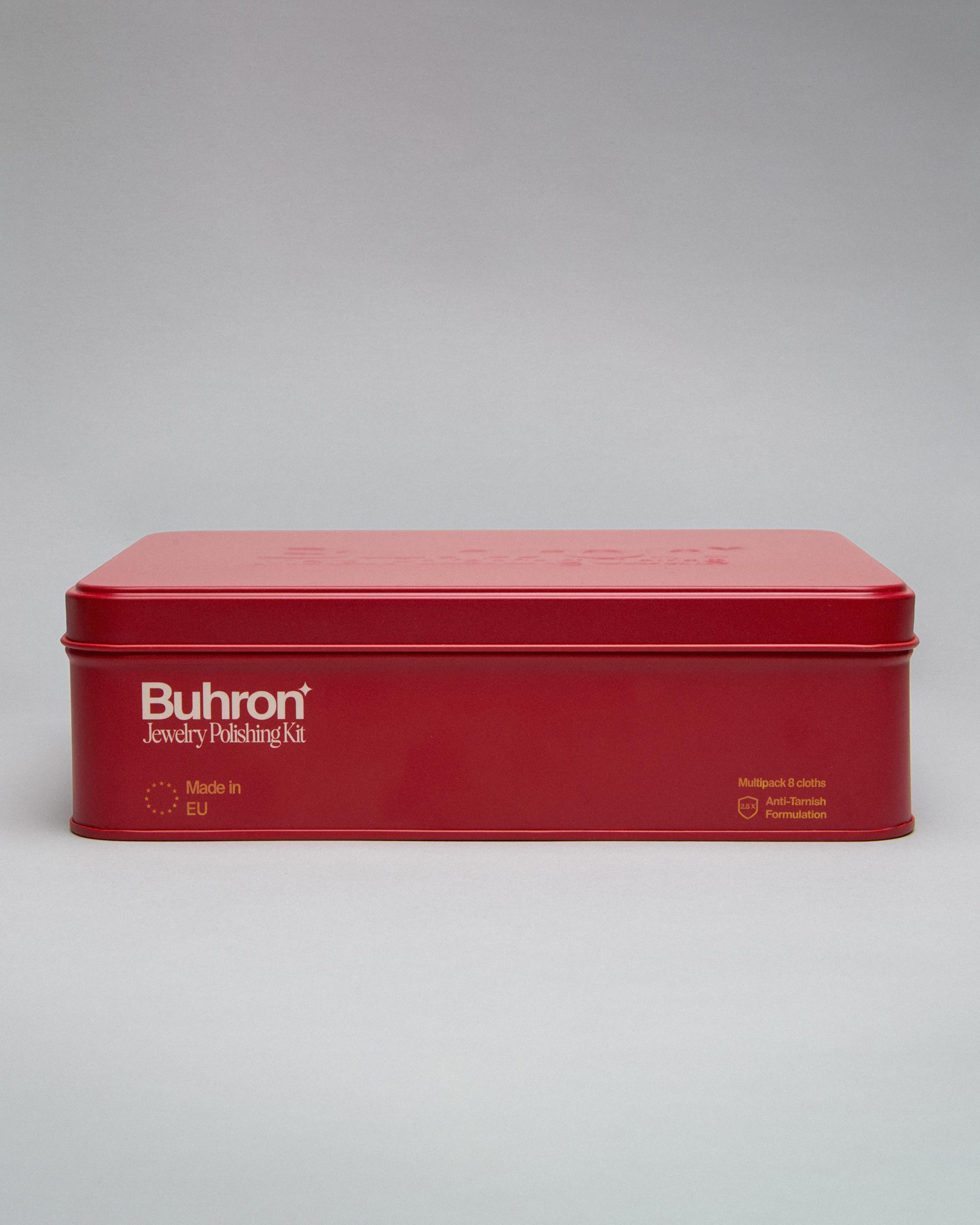
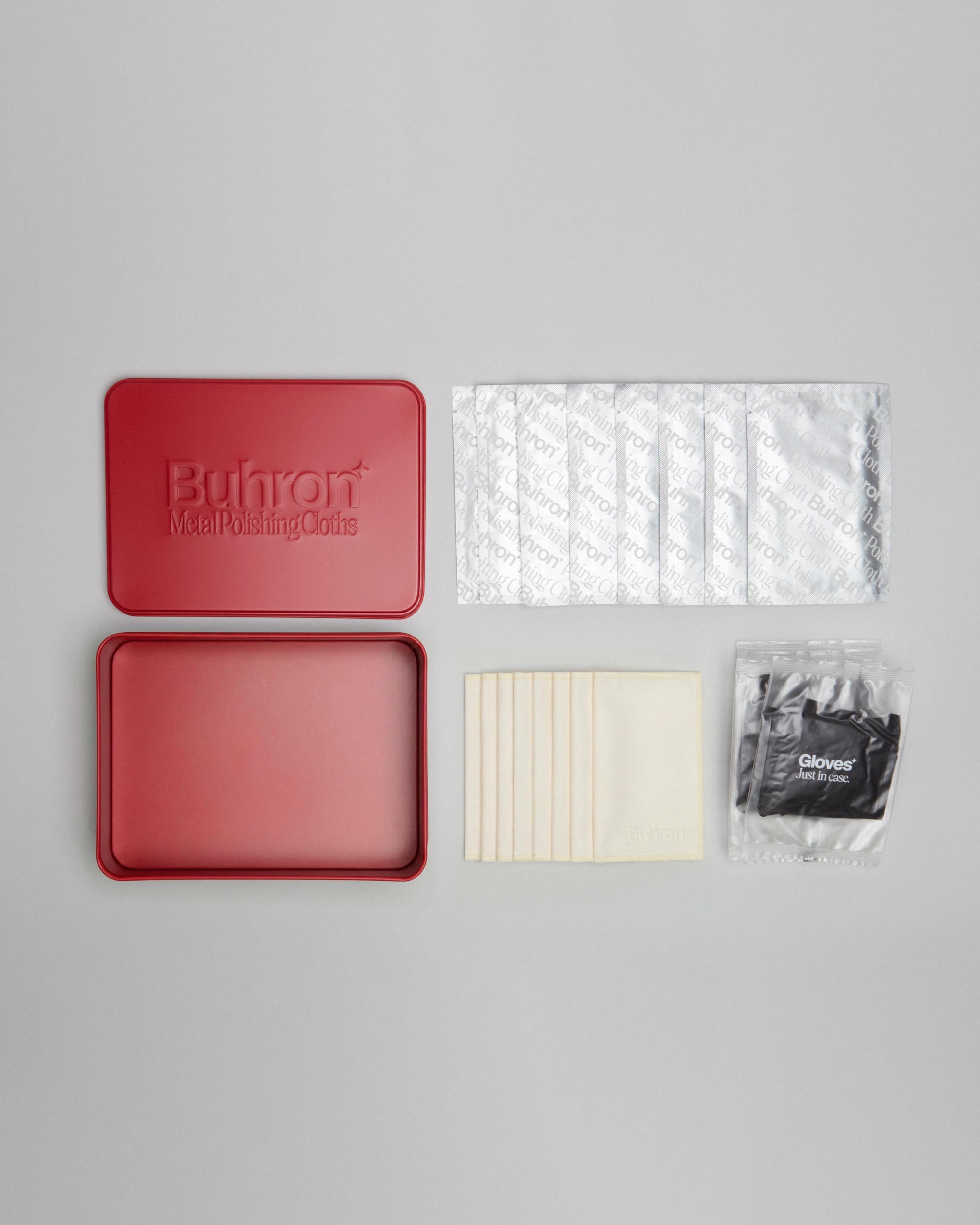
8x Polishing Cloths 8x Microfibre Cloths & Collectable Tin
2x Polishing Cloths 1x Microfibre Cloth
6x Polishing Cloths 3x Microfibre Cloth
8x Polishing Cloths 8x Microfibre Cloths & Collectable Tin